More than 26 years ago, I made a decision that would change the direction of my life.
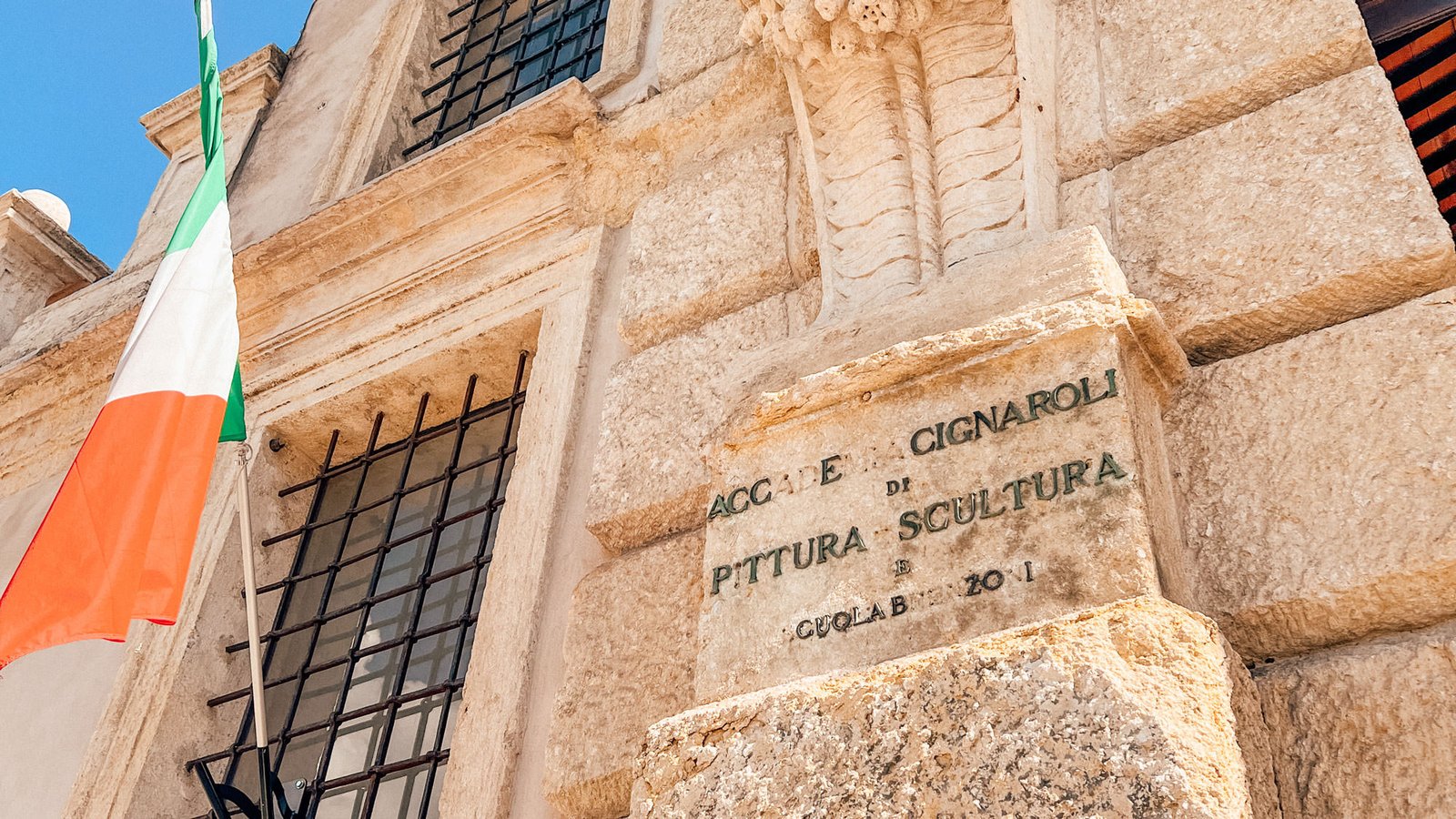
At the time, I was attending a school in Verona, Italy, that had very little to do with art. But I knew what I wanted. I wanted to study art, and I wanted it badly enough that I convinced everyone around me to let me change schools and pursue that path.
I remember walking into my new school and how unfamiliar everything felt. Everything was new, and I was eager to learn as much as I could.
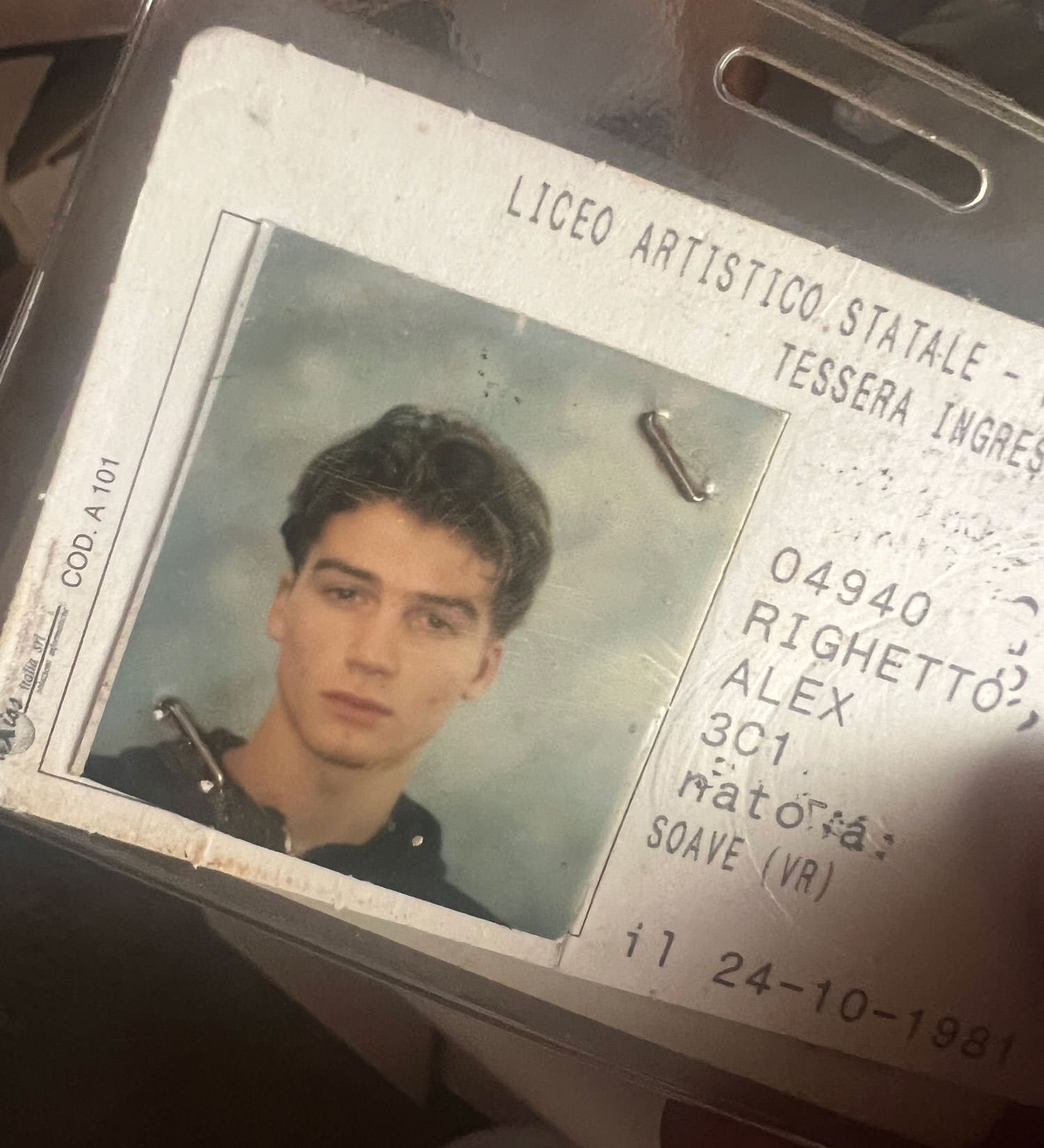

Looking back today, after all these years, I sometimes ask myself a simple question:
What actually made me a better artist?
Was it a particular teacher? A technique I learned? A book? A specific lesson that suddenly changed the way I understood painting?
The more I think about it, the more I realize that the answer is much simpler than I would have expected.
It was consistency.
Not talent. Not some extraordinary discovery. Just the repetition of the same exercises, over and over again.
Let me explain why.
Hours of Practice That Changed Everything
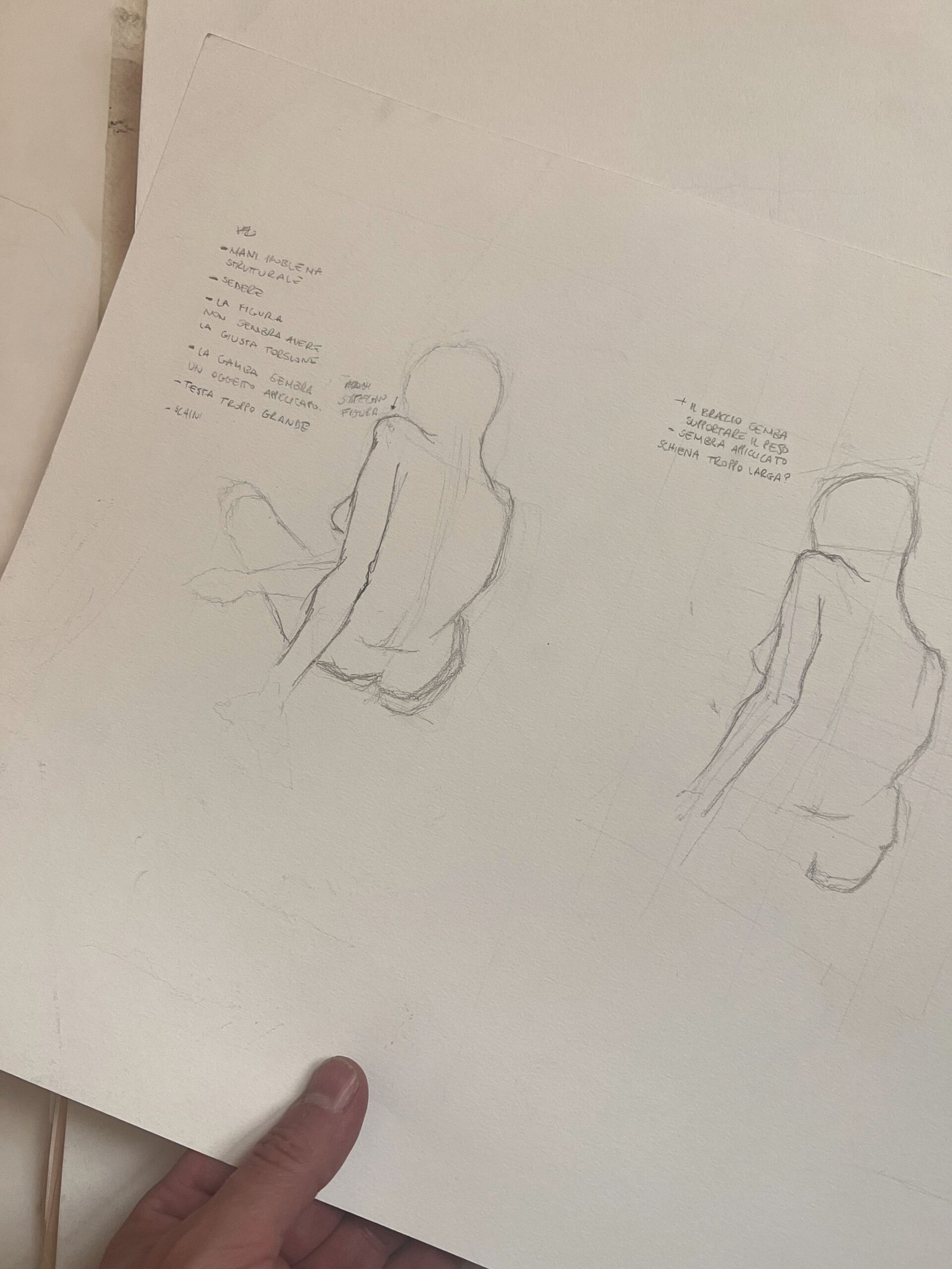
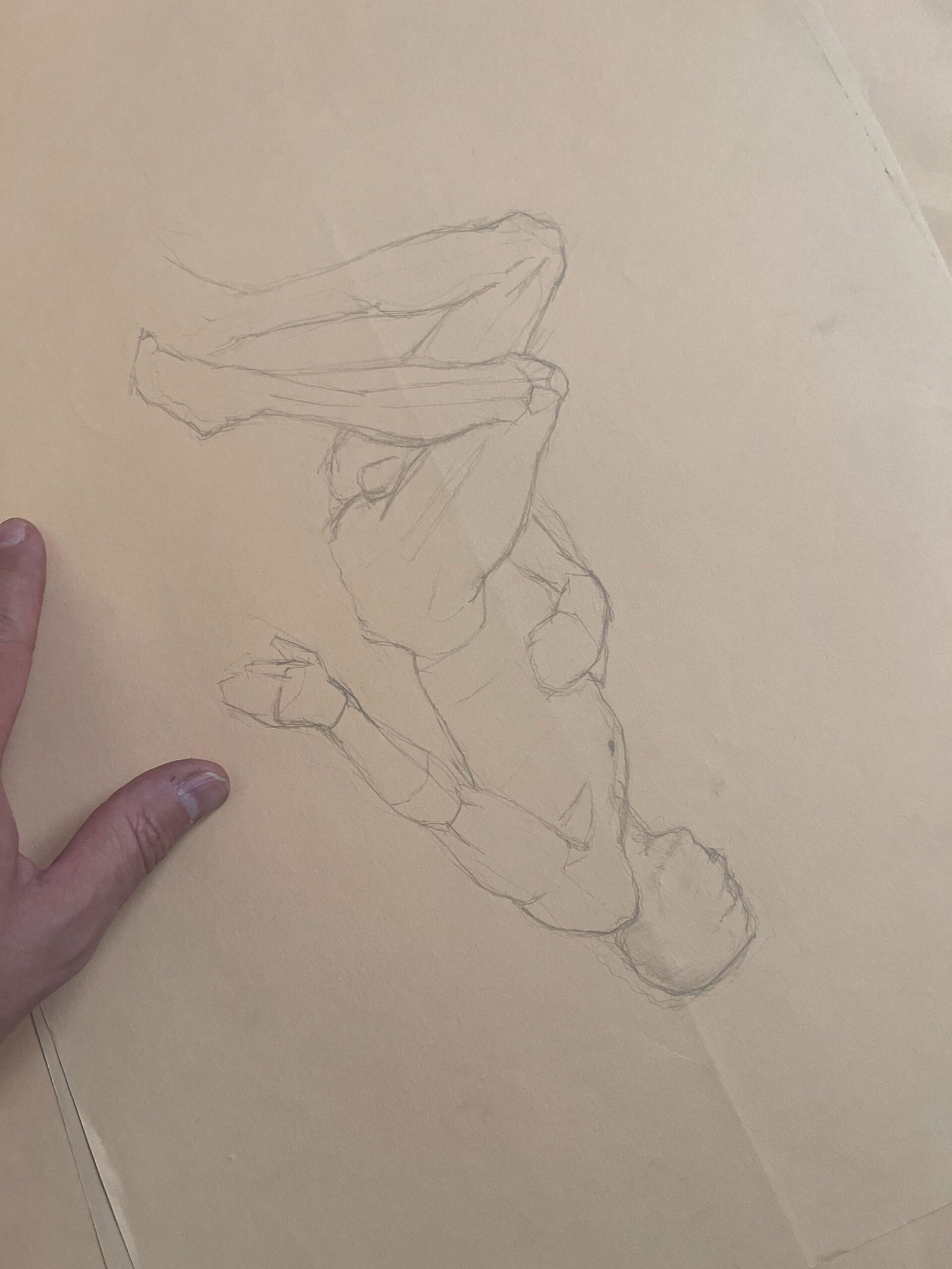
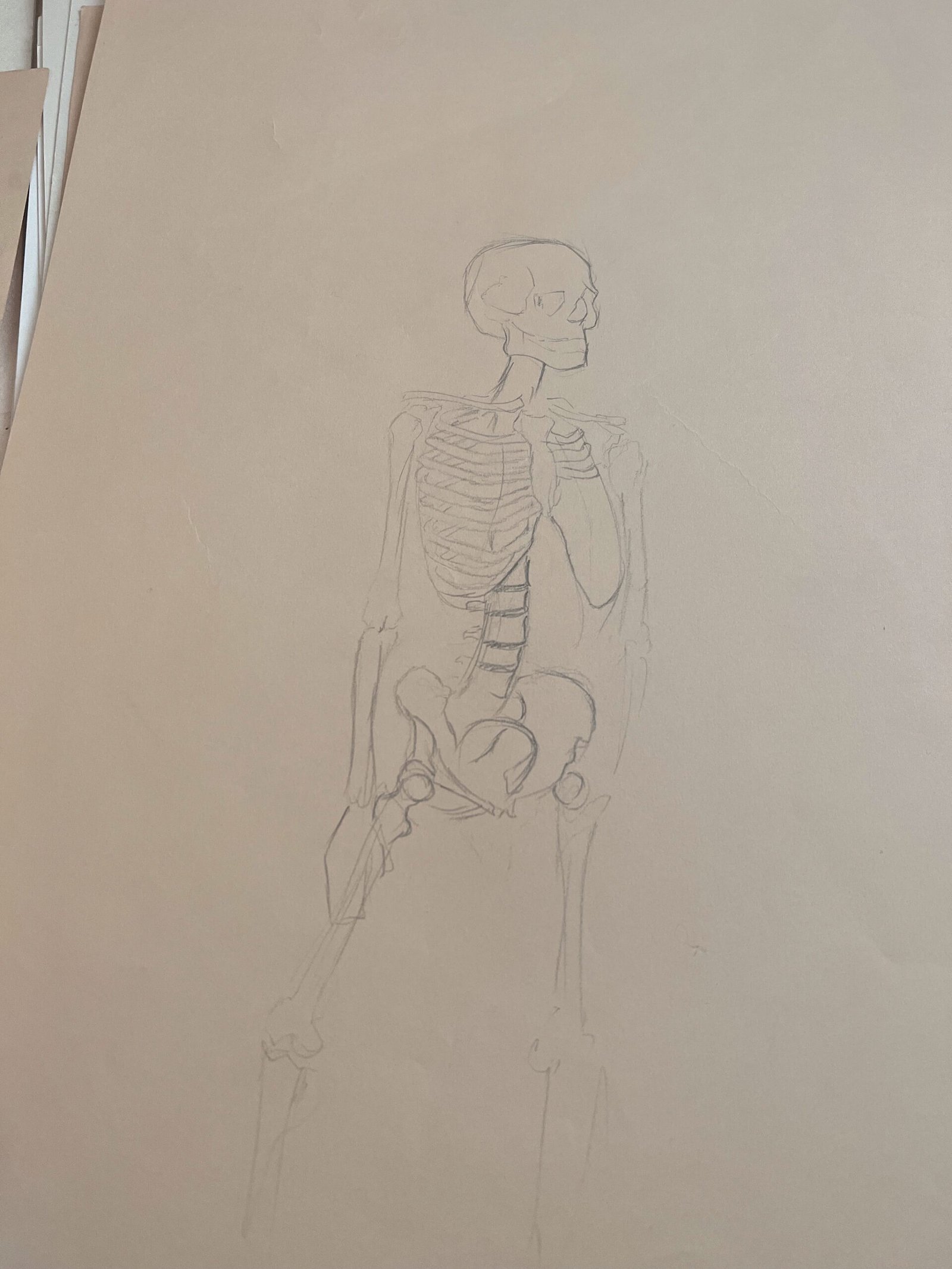
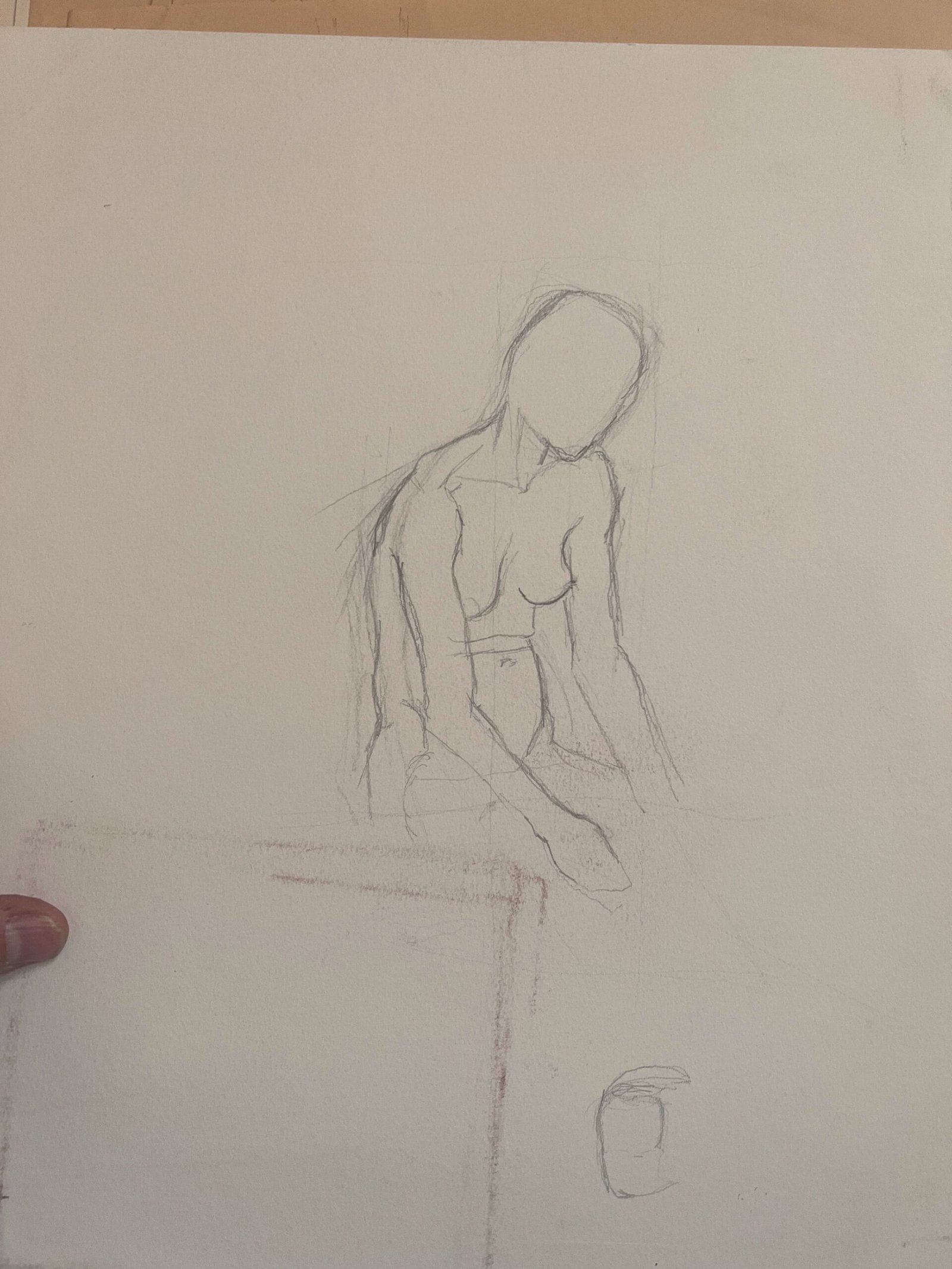
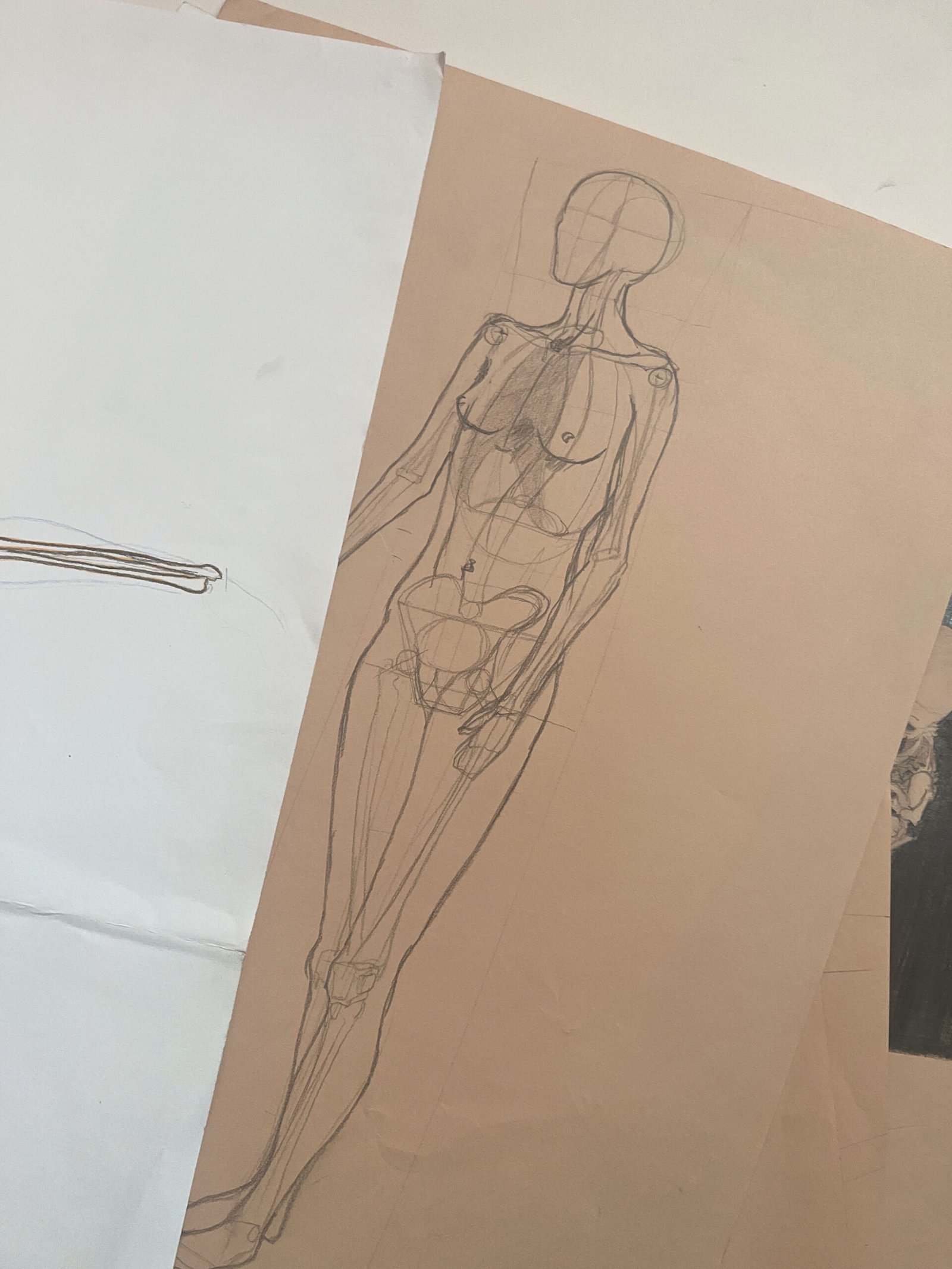
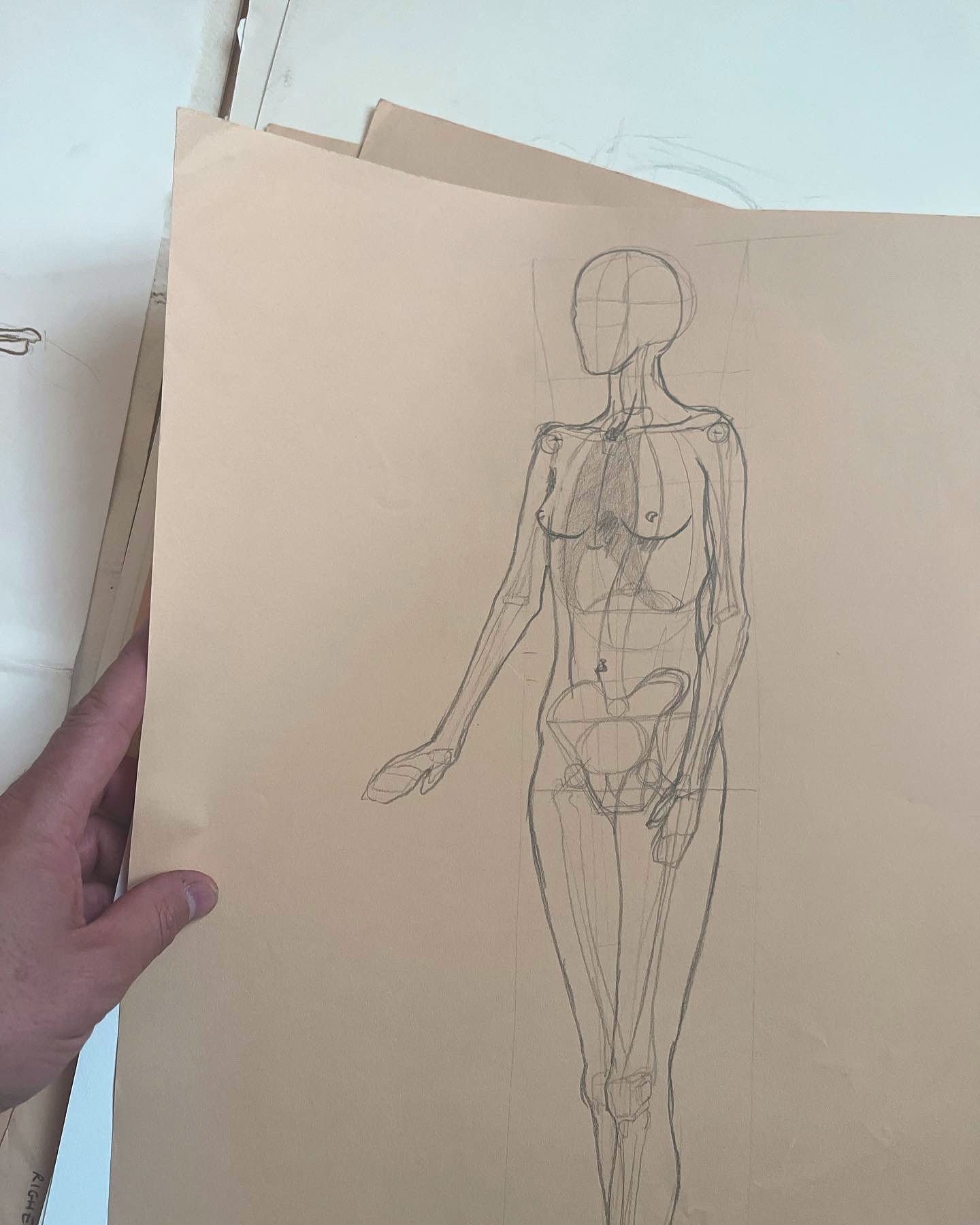
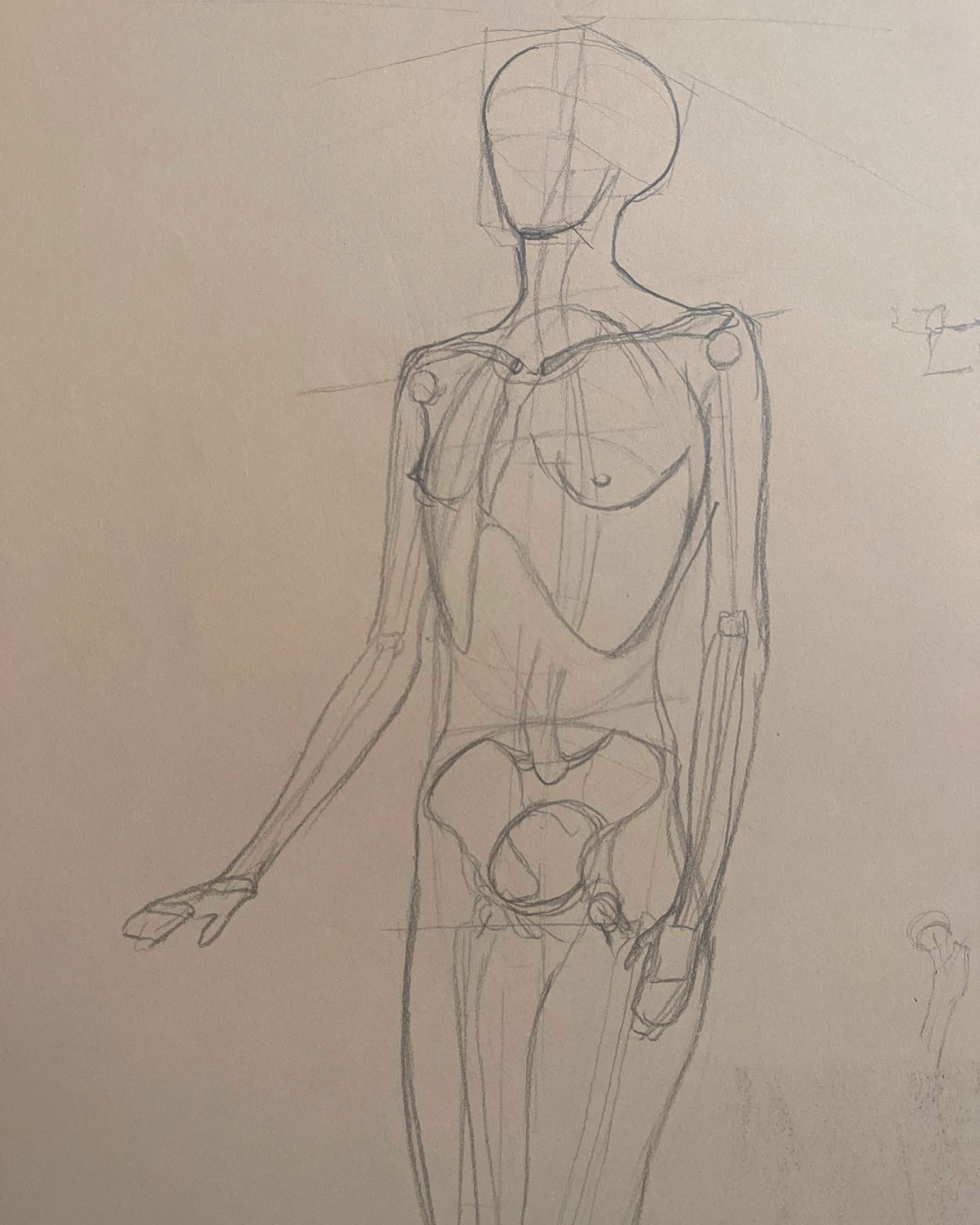
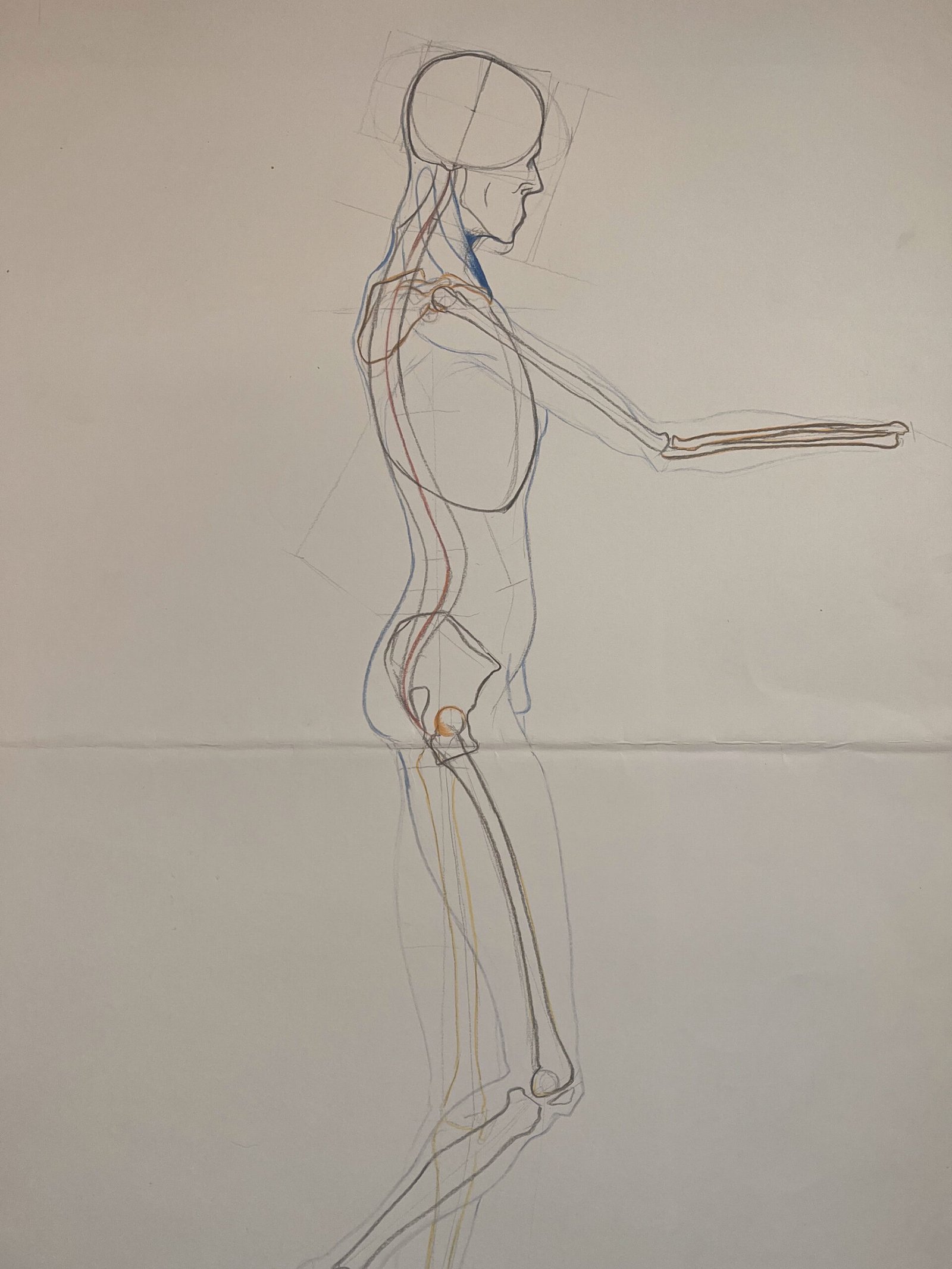
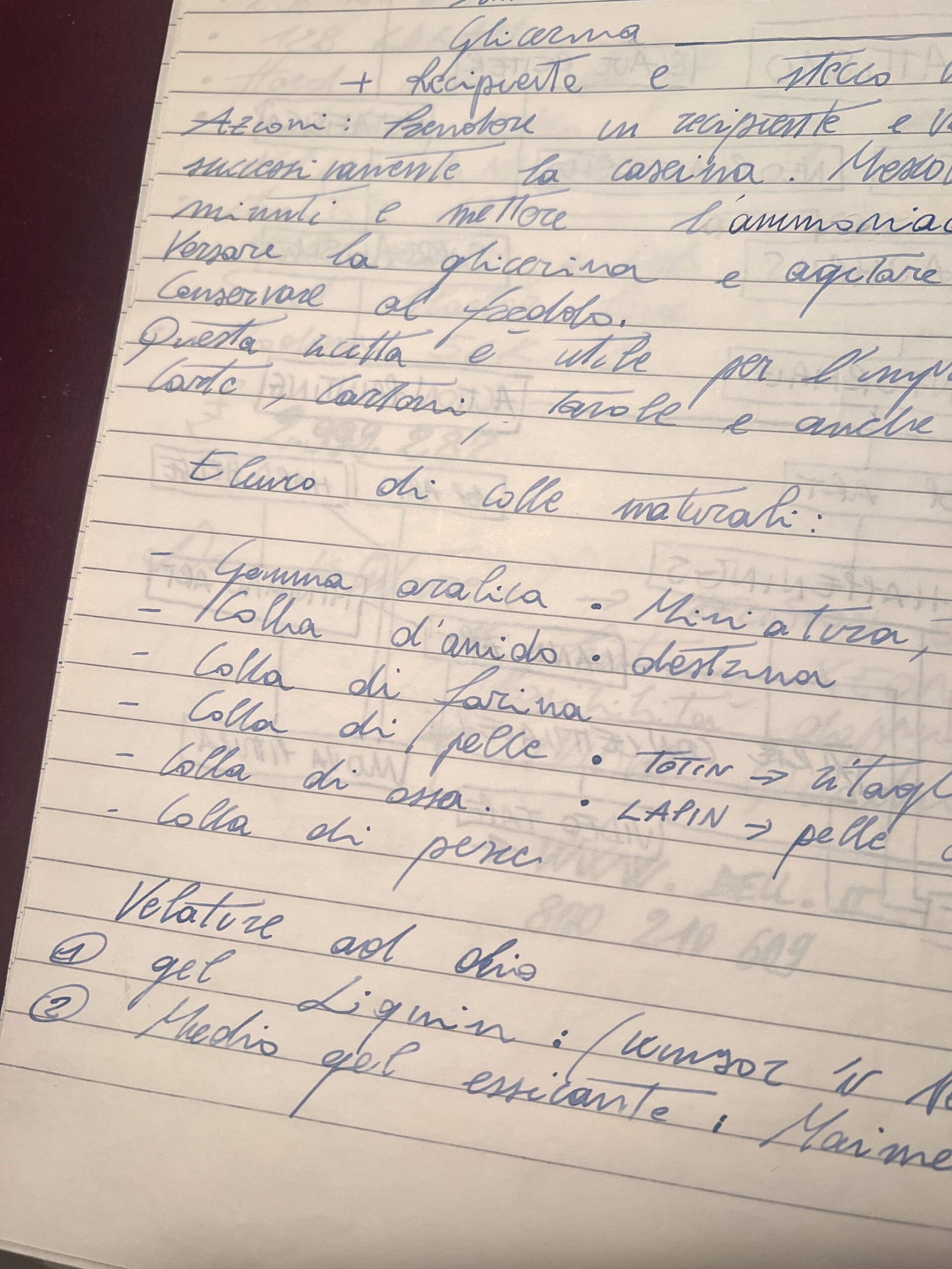
One of the things I remember most clearly from my years at the Academy of Fine Arts was drawing from life.
We would have a model standing in the middle of the room, and our job was to study the human body. We spent hours observing proportions, understanding the structure, identifying shapes, and translating what we saw onto a sheet of paper.
And we did it again. And again. And again.
There was no shortcut. You simply had to sit there, observe, and draw.
At the time, I probably didn’t fully understand how important those hours were. But looking back, I can see what they were doing to us.
We were training our eyes to see more accurately. We were developing the ability to understand form and translate what we observed through the simplest of tools: a pencil and a piece of paper.
Eventually, things that once seemed difficult became almost natural.
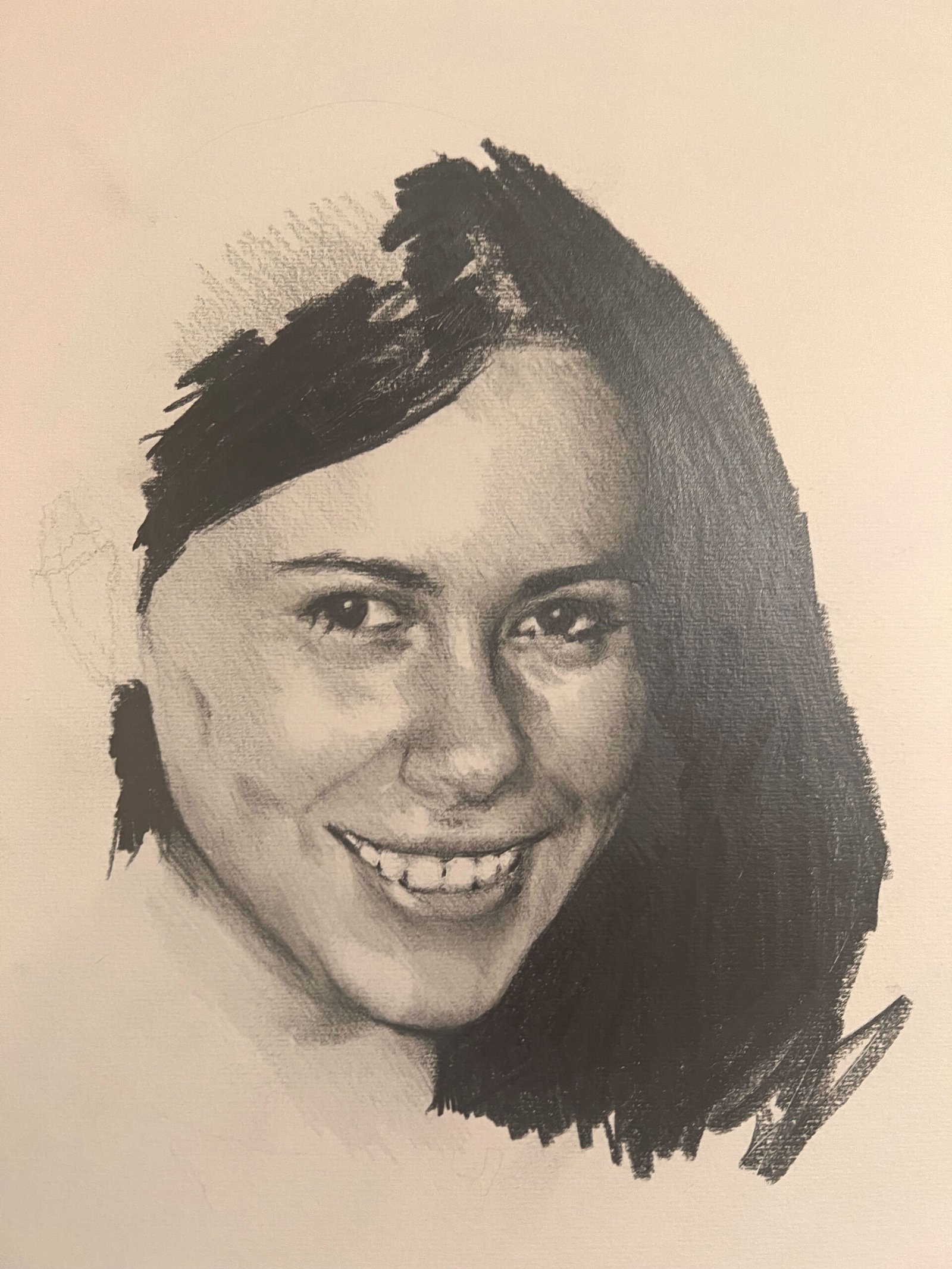
And that is when I understood something important: the real value wasn’t in any single drawing we made. It was in all the drawings we made along the way.
Knowing Something and Being Able to Do It Are Two Different Things
When I started developing this Academy, I spent a lot of time thinking about how to help people improve their artistic skills in the most effective way possible.
I went back to my own education and tried to identify what had really made the difference.
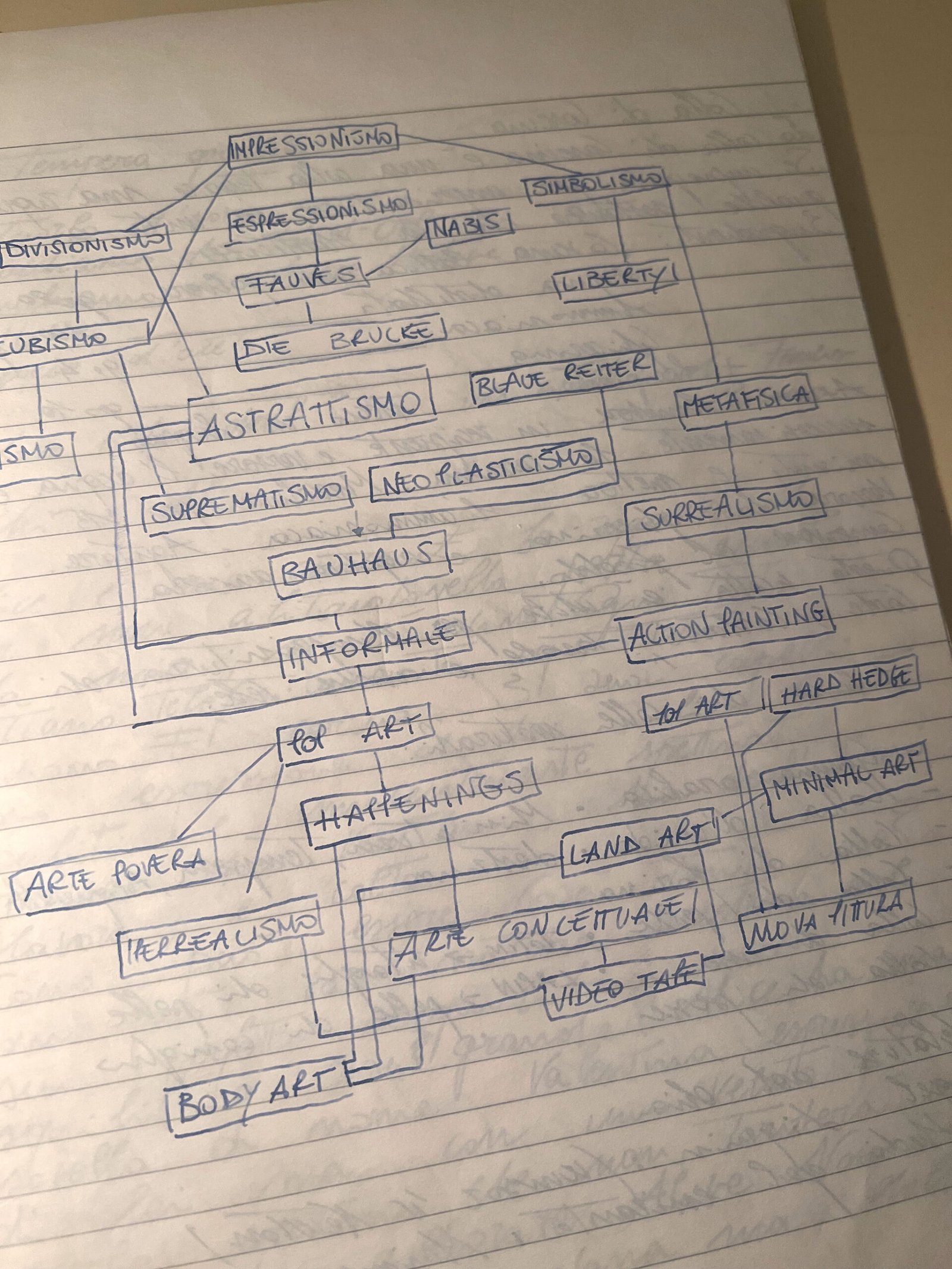
There is, of course, a lot to learn. You need to understand color, values, composition, form, materials, and techniques. Knowledge matters. A good structure matters. Having someone explain things clearly can save you a great deal of time.
But there is something that no lesson can do for you.
It cannot replace the time you spend practicing.
Think about playing the piano. You can understand music theory, study the notes, and watch countless lessons. But if you never sit down and play, you will never become a pianist.
Painting is no different.
You can understand a color theory principle perfectly, but until you start mixing colors, experimenting, making mistakes, and repeating the process, that knowledge remains just that: knowledge.
The real improvement happens when you start applying what you have learned.
The Part Nobody Really Wants to Hear
I know this isn’t necessarily what people want to hear when they sign up for an art course.
Most of us are looking for something that will make a difference. A new technique, a different approach, or that one piece of information that suddenly makes everything click.
And sometimes, a new insight really can change the way you approach your work.
But it won’t do the work for you.
The truth is that becoming better at something requires time and repetition. You need to come back to the same principles, apply them, make mistakes, understand what went wrong, and try again.
Not every exercise needs to be perfect. Not every practice session needs to produce something worth showing to someone else.
That isn’t the point.
The point is to keep working at it.
Especially when you are learning something new, regular practice makes an enormous difference. You don’t necessarily need to spend hours every day, but you do need to give yourself enough opportunities to apply what you are learning.
Consistency is what connects one lesson to the next. It is what allows information to become understanding, and understanding to become ability.
So, What Should You Focus On?
If I could go back and give one piece of advice to myself when I first started studying art, it would be this:
Don’t spend all your time looking for more information. Spend more time applying the information you already have.
Learn something. Try it. Repeat it. Come back to it a few days later. See what has changed.
You might be surprised by how much progress comes from doing something seemingly ordinary, consistently, over a period of time.
After more than 26 years, I still believe this is one of the most important lessons my artistic education taught me.
There isn’t always a secret to discover.
Sometimes, the thing that makes the biggest difference is simply showing up and doing the work.