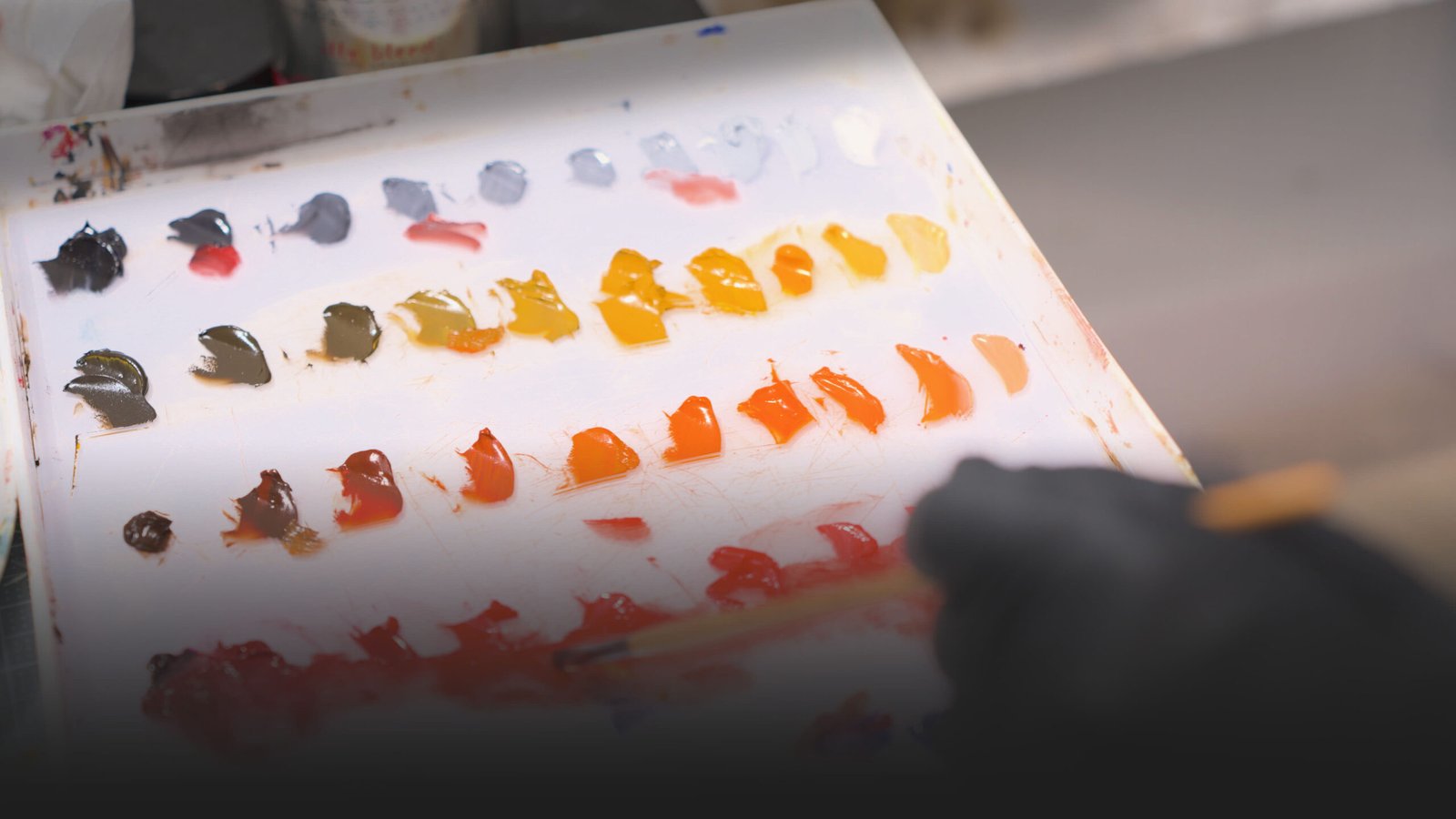
The Secret of Realistic Painting
This article is primarily intended for artists who want to work in figurative art and improve their ability to represent the human figure, particularly in portraiture.
Portraiture, as well as the nude, has long been one of the fundamental areas in which artists throughout history have challenged themselves. These fields are incredibly rich in detail, knowledge, and technical advancements. It is therefore no surprise that some artists have reached such an extraordinary level of mastery that their work can seem almost impossible to match.
So, where should we begin? How can we develop a greater ability to represent the human form? How can we make our portraits feel more lifelike, more convincing, more realistic?
That is what I explore in this article.
What Matter More Than Details in Realistic Painting
If you think it’s the details that make the difference in a realistic painting, you might want to reconsider.
In reality, what truly makes the difference in a painting are the values. They are what create the illusion of three-dimensionality.
Because, ultimately, realism is simply the correct translation of a three-dimensional world into a two-dimensional one, which is the canvas.
And perspective, together with the variation of light that creates the illusion of depth, is the real work of the artist.
So, regardless of color and saturation, the first approach should be about values.
Therefore, one of the most basic pieces of information about painting, and one of the most fundamental concepts, is value.
One of the most challenging exercises that you will have to face is understanding, capturing, and rendering the correct values.
What Is Value in Art?
I have a complete dictionary entry for this word, but in a few words, value represents the relative lightness or darkness of a color or an area within an image.
Value represents the relative lightness or darkness of a color or an area within an image.
As I mentioned before, value is what allows us to represent form, which means the three-dimensional structure of a figure.
Do you understand now why this is one of the most important aspects of painting?
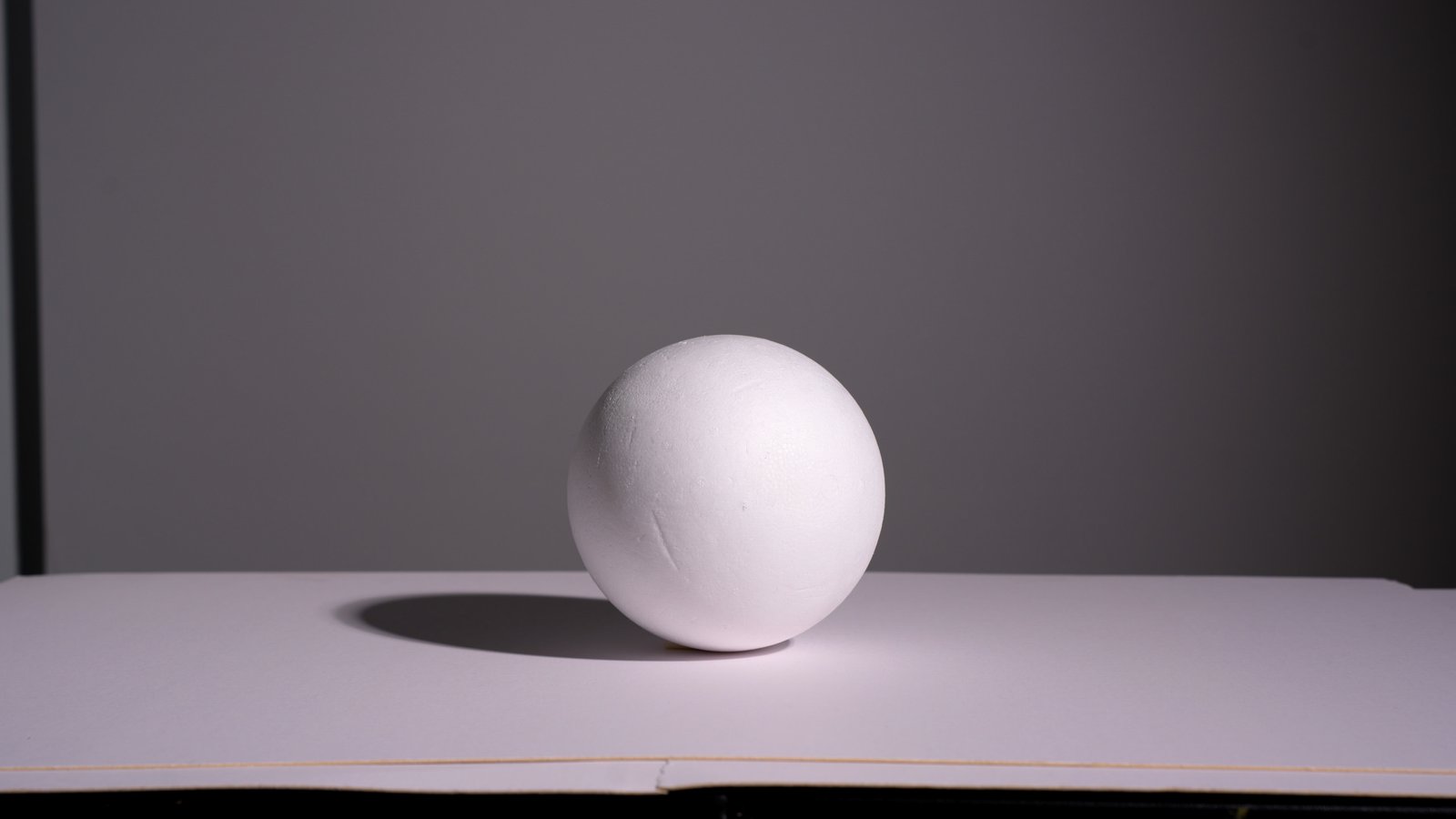
Because without value, you don’t have three-dimensional form. Without three-dimensional form, you don’t have realism. Without realism, your image, your painting, your portrait, or your figure can appear flat or incorrect.
We’re so used to perceiving values that our visual system is extremely sensitive to them. We instantly feel whether an image looks right or wrong based on the organization and accuracy of the values within the picture we are creating.
The Value Finder
Now that you understand the importance of value, it’s time to put it into practice.
I created this tool to help myself identify the correct values, and it is based on the Munsell system.
Now, I have an entire online course on the structure of color, so you can check out the course here. But I can give you some basic information.

This tool helps identify the relative degrees of light and dark, making it easier to understand and paint form.
You use it by taking a wooden stick and priming it with some gesso. Then, you divide it into 11 little squares. Those squares represent the values from pure black to pure white, where pure black is 0 and pure white is 10. This is the Munsell value scale.
You use this stick by squinting your eyes and comparing it with any color or area of your painting to identify its correct value.
Because one thing that I didn’t mention is that value and hue are two different attributes of color.
Every chromatic color has a hue, and hue refers to the color family, such as red, purple, yellow, green, and so forth.
So, when you squint your eyes, you can identify the value of a color regardless of its hue. This allows you to easily detect if you are moving in the wrong direction or if you have achieved the correct value relationship.
This is how simple this tool is.
I hope this helps. Let me know, and obviously, you can subscribe to my newsletter to receive these perks and free lessons directly in your email every week.
