Introduction
In this first lesson, we start from something essential: independence.
Not the kind that comes from ignoring structure… but the kind that comes from truly understanding it.
Because as long as you rely on tutorials, schemes, or fixed processes, you’re still depending on something outside of you. And that limits your freedom.
The goal here is different.
To reach a point where you can sit in front of a blank canvas, pick up your brushes, and simply begin — with clarity.
That level of freedom doesn’t come from memorizing steps. It comes from understanding what’s happening behind the scenes.
Watch this lesson with that in mind.

How to Use This Course
Before moving forward, it’s important to align on a few key agreements.
In this short video, you’ll understand how to approach the course, what its real purpose is, and—most importantly—the mindset required to actually get results. Because the difference is not in the information, but in how you engage with it.
Take this as a moment to reset your expectations and step into the process with clarity.
Server Discord
If you’d like to stay connected and share your progress, you can join the community here: https://discord.com/invite/QtNrmUSj
Other useful Links
For deeper insights and extended articles, visit alexrighetto.com
Why Most Artists Struggle with Color
Why does color feel so unpredictable?
Why do your mixes look right on the palette, but wrong on the canvas?
Why does it seem like everyone else “gets it” while you’re still guessing?
In this lesson, we break down the real problem behind these frustrations. Once you recognize it, everything begins to make more sense, and the path to clarity becomes much more direct.
WHY COLOR FEELS IMPOSSIBLE TO CONTROL
An artist must understand this to move from guesswork to intentional expression.
- Your eye lies to you → what you see is not what you mix
- Too many choices → no clear system leads to random decisions
- Trial & error feels like progress, but it’s slow and inconsistent
- Color without structure becomes decoration, not communication
- Most artists apply color… few actually control it
- The real problem is not color itself → it’s the lack of a system behind it
Mastery begins when color stops being intuitive and becomes structured
About Me
Before you learn color, ask yourself:
Why do you paint?
What are you really trying to say?
And more importantly, who are you becoming through this process?
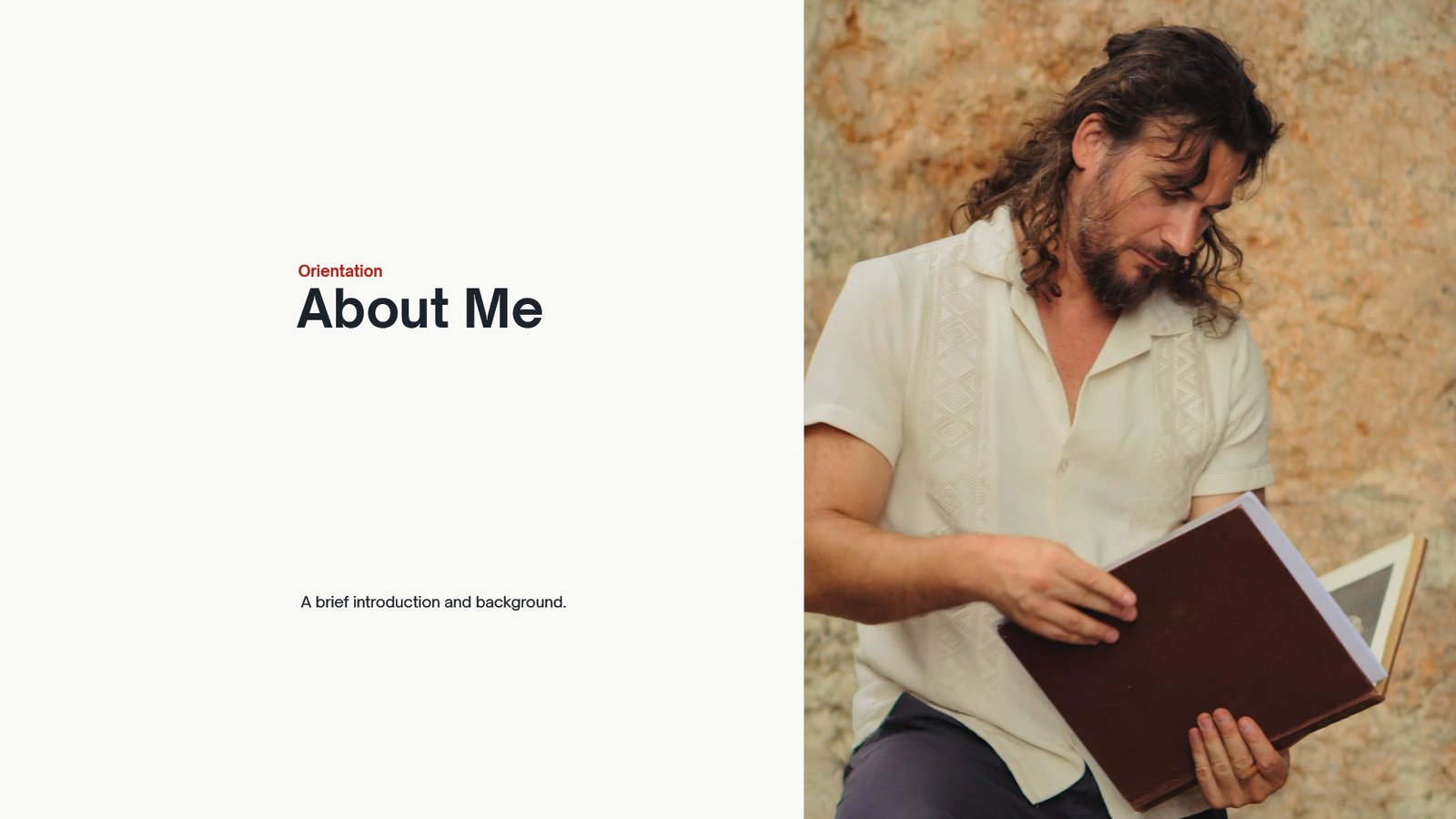
In this lesson, I want to go beyond technique and introduce you to the deeper reason behind my work, so you can understand not just what I teach, but why I teach it.
Because painting is not just about skill. It’s a language. And like any language, it only becomes powerful when it carries something personal.
You’re not here to copy someone else’s voice. You’re here to write your own story.
And color is the grammar that gives that story structure, clarity, and meaning.
This video is an invitation to start seeing your journey differently, not just as learning how to paint, but as learning how to express something that is truly yours.
Other useful Links
For more information, visit alexrighetto.art/bio
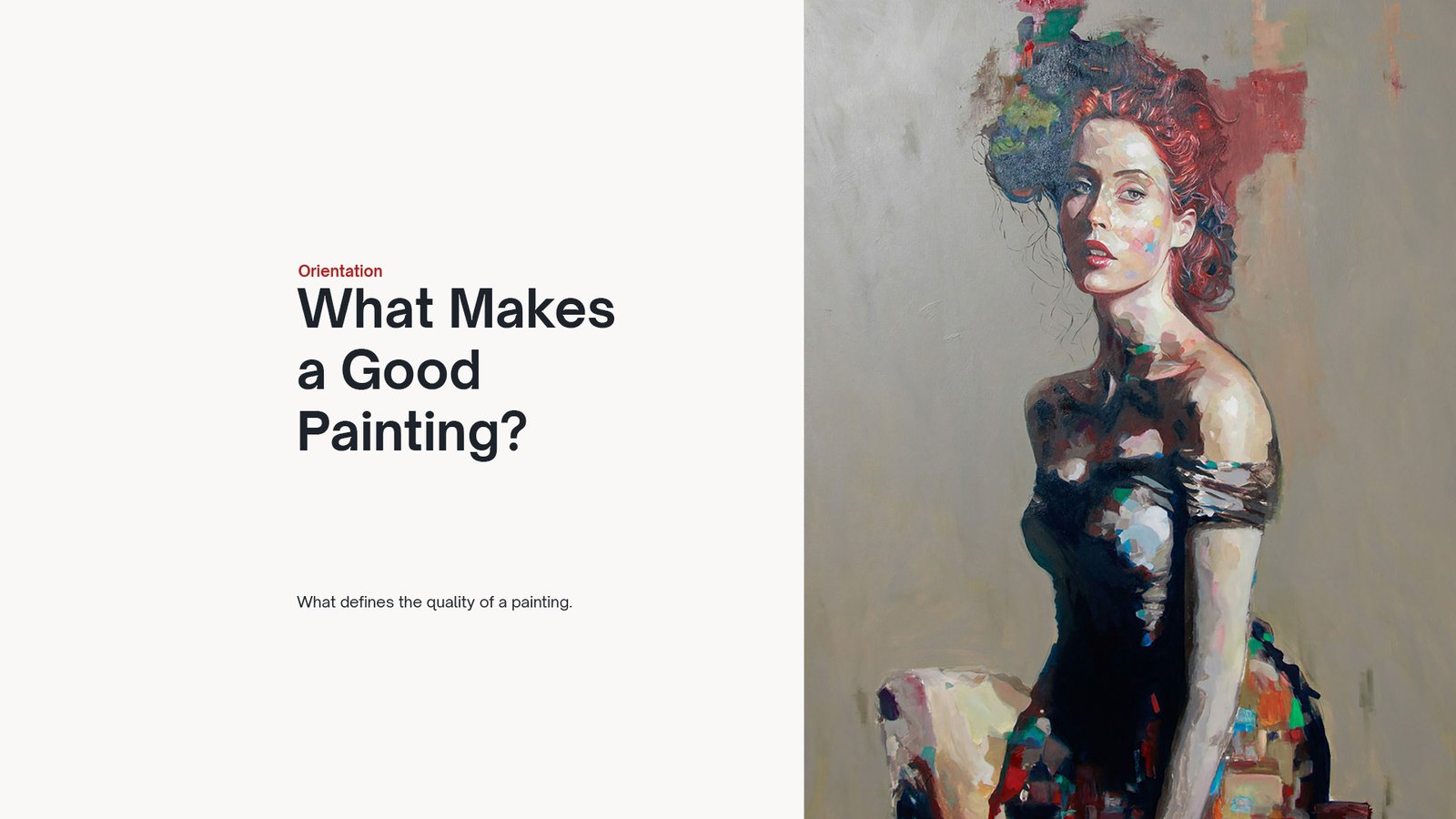
What Makes a Good Painting?
What actually makes a painting “good”? And when can you truly feel satisfied with your work?
In this lesson, you’ll be introduced to the three essential stages behind every strong piece of art. No matter if you’re painting, shooting a photograph, or creating a film, these phases remain the same.
Understanding them will give you a clearer direction, help you evaluate your work more objectively, and move from uncertainty to intentional creation.
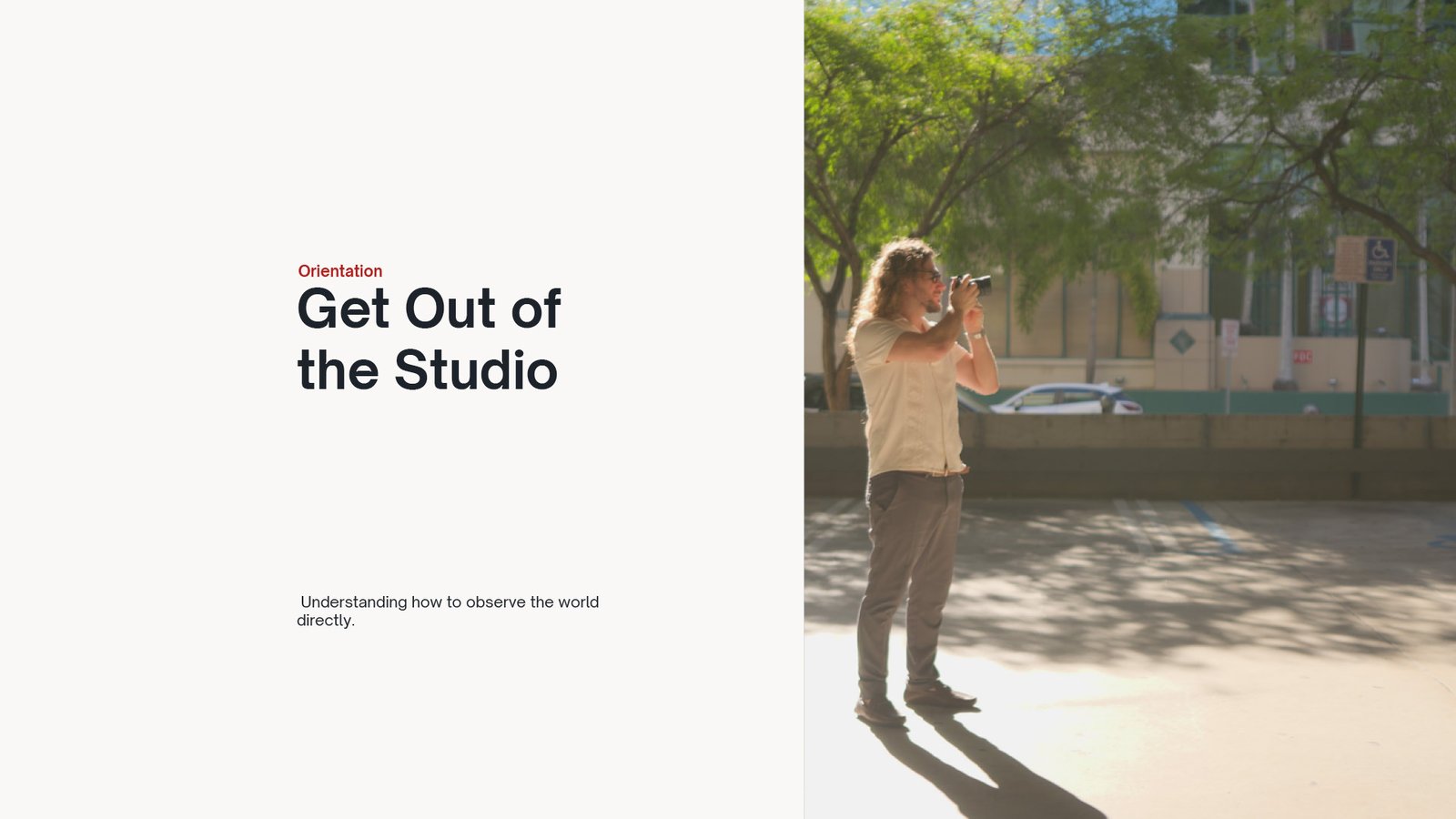
Get Out of the Studio
What happens when you stop looking at the world like a spectator… and start observing it like a painter?
In this video, we begin shifting your perspective. Stepping outside the studio is not just a change of environment, it’s a fundamental part of your training. Observation is where everything starts, but learning how to truly see is what makes the difference.
As a painter, your way of observing must evolve beyond the ordinary. This lesson will guide you in that direction, helping you develop curiosity and awareness as active tools in your process.
For now, keep it simple: go outside, look closely, and start questioning what you see.
Is this relevant?
It’s so important that an entire movement was born from it.
In the 1800s, thanks to the invention of paint tubes and advancements in chemistry, artists were finally able to leave their studios. The Impressionists stepped outside and began painting directly from life, capturing light, color, and atmosphere in a completely new way.
This shift changed how artists saw the world. And in many ways, that same shift is what you’re beginning here.
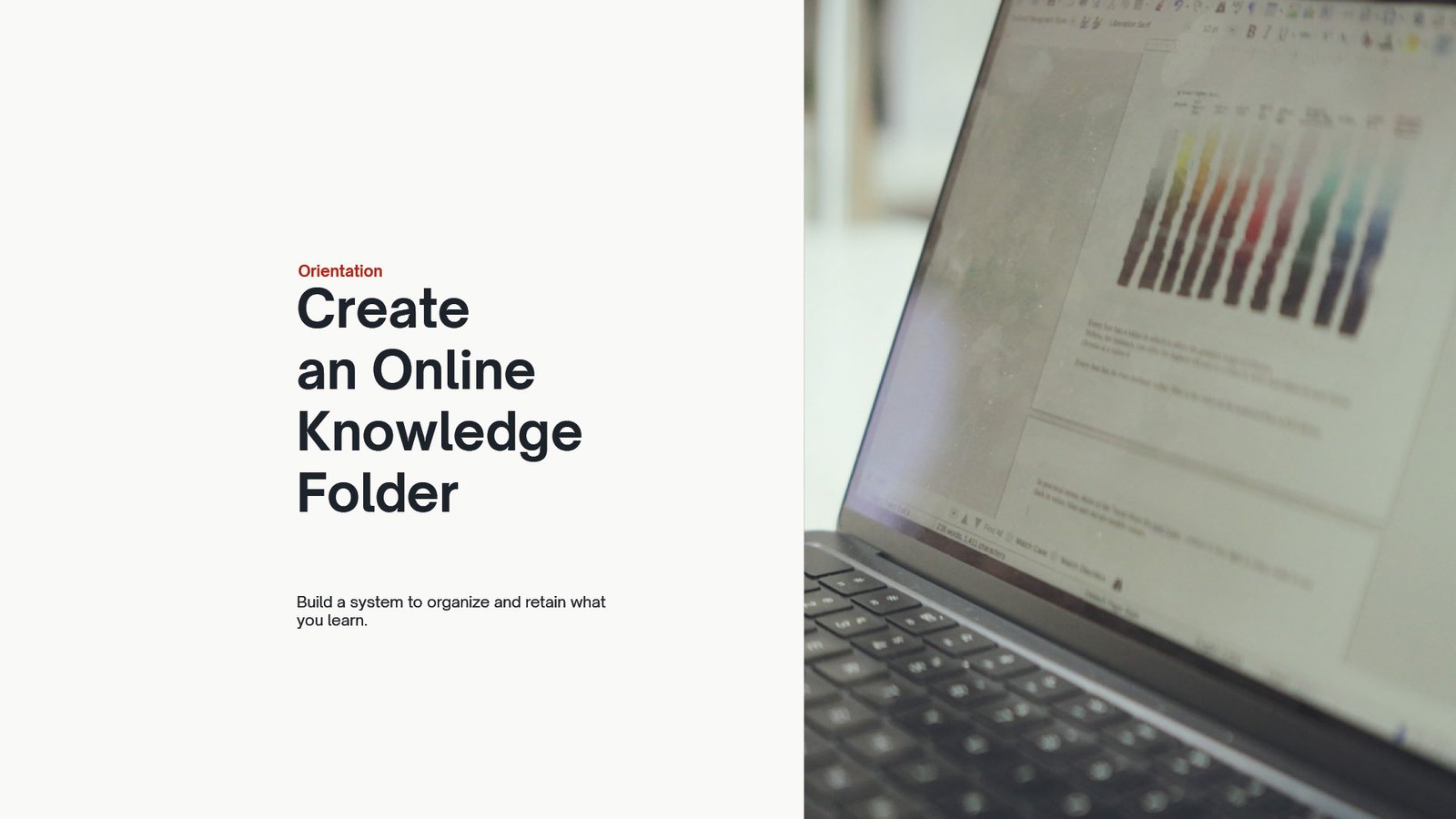
Create an Online Knowledge Folder
How do you make what you learn actually stay with you over time? And more importantly… how do you build knowledge that compounds over years, not just days?
In this final part of the orientation, I’m sharing a simple habit that changed the way I learn and grow as an artist. It’s not about consuming more information, but about organizing it in a way that becomes yours. A system you can revisit, expand, and rely on as your awareness deepens.
This small shift will help you move from scattered learning to structured understanding, allowing your skills to evolve consistently over time.
From here, we transition into the next phase of the course, where we begin to explore one of the most essential and misunderstood topics in painting: color and light.